Spring Cleaning Tips for Warehouses and Forklift Fleets in Canada
Spring is more than just a change in weather, it’s an opportunity for businesses to reset, refresh, and prepare for the busy months ahead. For warehouses, distribution centres, and outdoor yards across Canada, spring cleaning isn’t just about tidying up. It’s about improving safety, boosting efficiency, and ensuring your forklift fleet is ready for increased seasonal demand.
Here’s how to approach spring cleaning for both your workplace and your equipment.
1. Start with Decluttering and Organization
Winter often leaves behind more than just snow. Pallets, packaging materials, and unused inventory can quietly accumulate, reducing usable space and creating safety hazards.
Begin by clearing aisles, exits, and high-traffic areas. According to the Canadian Centre for Occupational Health and Safety (CCOHS), maintaining clear walkways is essential for preventing slips, trips, and falls, one of the most common workplace injuries in Canada.
Take this time to:
- Remove broken or unused pallets
- Dispose of damaged materials properly
- Reorganize storage areas for better accessibility
- Clearly mark pedestrian and equipment zones
A clean, organized workspace doesn’t just look better, it allows forklifts to operate more efficiently and safely.
2. Deep Clean Your Warehouse and Yard
Dust, debris, and moisture can build up over the winter months, especially in Canadian climates where snow, salt, and slush are tracked indoors.
Focus on:
- Sweeping and power washing floors
- Removing salt residue that can corrode equipment
- Cleaning racking systems and shelving
- Inspecting drainage systems in outdoor yards
Outdoor yards should also be checked for potholes, uneven surfaces, and drainage issues caused by freeze-thaw cycles. These conditions can impact forklift stability and increase wear on tires and suspension systems.
3. Inspect Your Forklift Fleet
Spring is the perfect time for a comprehensive forklift inspection. Increased usage during warmer months means your equipment needs to be in peak condition.
Workplace Safety & Prevention Services (WSPS) in Ontario emphasizes the importance of regular equipment inspections to prevent mechanical failures and workplace incidents.
Key inspection areas include:
- Tires: Look for wear, cracks, or improper inflation
- Brakes: Ensure responsive and reliable stopping
- Hydraulics: Check for leaks or reduced lifting performance
- Batteries (for electric models): Clean terminals and check charge cycles
- Fluids (for internal combustion models): Top up and replace as needed
If your operation relies on a mix of indoor and outdoor work, consider whether your current fleet is optimized for both environments.
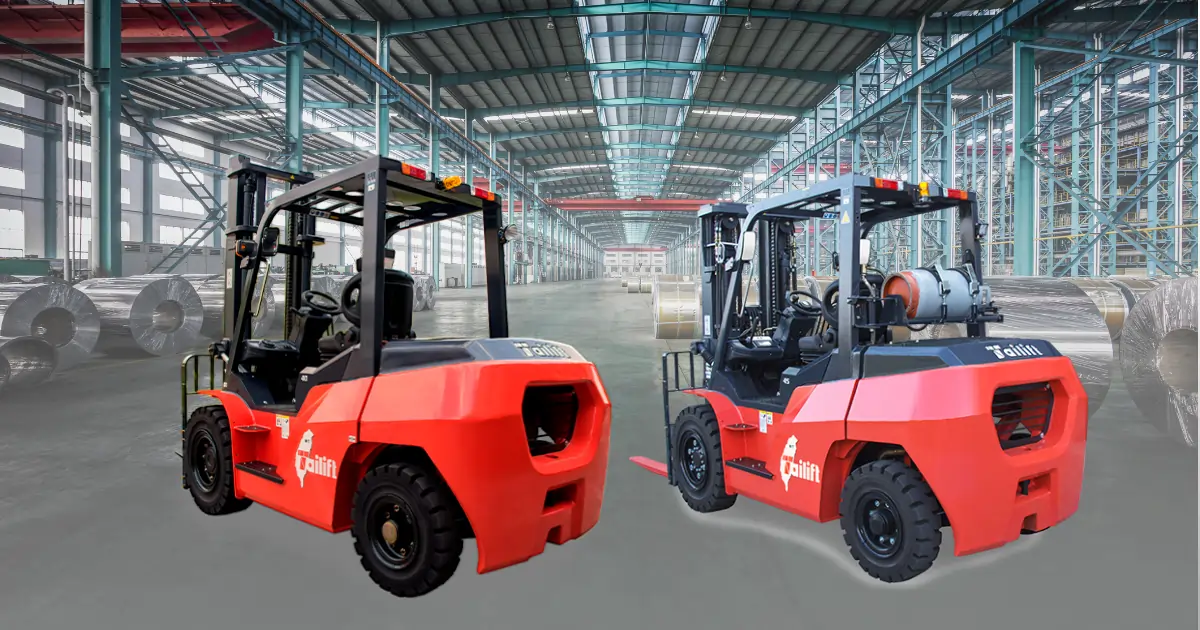
For example, here at Tailift Canada, we offer a range of forklifts designed for durability and versatility, including:
- Electric forklifts for clean, efficient indoor use
- Rough terrain forklifts for uneven outdoor yards
- LPG and diesel models for high-capacity, heavy-duty applications
Matching the right equipment to your environment can significantly improve productivity and reduce maintenance costs.
4. Schedule Preventative Maintenance
Spring cleaning shouldn’t stop at inspections, this is the ideal time to schedule preventative maintenance.
Routine servicing helps:
- Extend the lifespan of your forklifts
- Reduce unexpected downtime
- Maintain compliance with safety regulations
Work with your service provider to create a maintenance schedule that aligns with your peak operational periods. Addressing small issues now can prevent costly repairs later, especially during busy summer months.
5. Review Safety Procedures and Training
A clean workplace is only as effective as the people working in it. Spring is a great time to refresh safety protocols and ensure all operators are properly trained.
Consider:
- Reviewing forklift operating procedures
- Reinforcing load handling best practices
- Updating hazard assessments
- Conducting refresher training sessions
Canadian regulations require that forklift operators be competent and trained. Regular reviews help ensure compliance and reduce the risk of accidents.
6. Prepare for Increased Seasonal Demand
Many industries, from construction to agriculture to logistics, see a surge in activity during the spring and summer. Preparing your fleet now ensures you can meet demand without disruptions.
Ask yourself:
Do you have enough forklifts to handle increased volume?
Are your current machines suited for heavier workloads?
Should you consider upgrading or expanding your fleet?
Tailift Canada’s lineup includes reliable, high-performance forklifts designed to handle demanding applications. Whether you need compact electric units for tight warehouse spaces or heavy-duty outdoor machines, having the right equipment in place can make all the difference.
Spring cleaning isn’t just a seasonal chore, it’s a strategic opportunity to improve your operations. By decluttering your workspace, deep cleaning your facility, inspecting your forklifts, and planning ahead, you set your business up for a safer, more productive season.
Investing time in maintenance and organization now will pay off in reduced downtime, improved efficiency, and a safer working environment for your team.
If you’re evaluating your current fleet or considering an upgrade, exploring our range of forklifts is a smart place to start. The right equipment, combined with a well-maintained workspace, ensures you’re ready for whatever the busy season brings.